Top tips for travel skincare when flying
Getting ready to fly is more than choosing a comfortable airport outfit and packing your bags to go through Security. You need to take care of your skin while flying too!
As #planeskincare reaches almost 140m TikTok views¹, and with 80% of flyers considering how flying can affect their skin², there’s more to consider than a simple cleanse, tone and moisturiser routine.
Here at London Luton Airport, we’ve got plenty of skincare inspiration to get you looking your best in the sky. Find new beauty routine staples in Boots, pick up a skincare kit at Aelia Duty Free, choose a holiday scent in Victoria’s Secret, and pamper yourself with a luxury bath set from Rituals.
We’ve also partnered with dermatologist and skincare expert Dr Nora Jaafar to pull together the ultimate plane skincare routine, and to educate passengers on the science behind our skin.
Beat the dry cabin air and high UV exposure at altitude³. Avoid “flight face” with Dr Nora’s top flying skincare tips to try next time you travel from London Luton Airport.
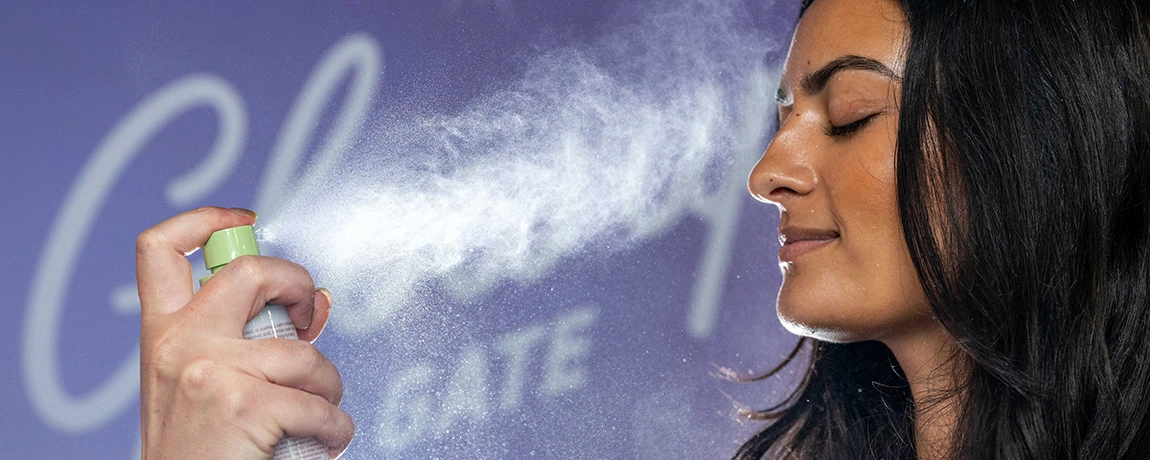
Prepare your skin before boarding a flight
Whether it's a short one-hour flight, or a longer four-hour journey, or globetrotting across the world, it’s important to do most of your skincare before boarding the plane.
Dr Nora says: “The biggest mistake is waiting until you’re already at 40,000 feet to think about your skin, as flying can leave it feeling dehydrated and tight. Your pre-flight routine is where you should be doing most of the work.”
“Flying is tough on our skin. Low cabin humidity, makeup and disrupted routines can leave skin dry, dull or congested by the time we land. The key is to start before boarding and keep it simple in the air. A few skin-type-specific steps, using products already in your routine, can make a real difference.”
Keep your hands clean before touching your face
You’ve carried your suitcase. You've touched your face. You've clicked your seatbelt on the plane. You’ve touched your face again. Spotted the problem?
Avoid rubbing your face after handling high-contact surfaces such as tray tables, seatbelts, screens and armrests. And if you do need to apply any skincare, sanitise your hands before applying or topping up the layers.
Dr Nora comments: “You can have the perfect in-flight skincare routine, but it means very little if you apply it with hands that have just touched your tray table, seatbelt, and screen. Sanitise first, skincare second.”
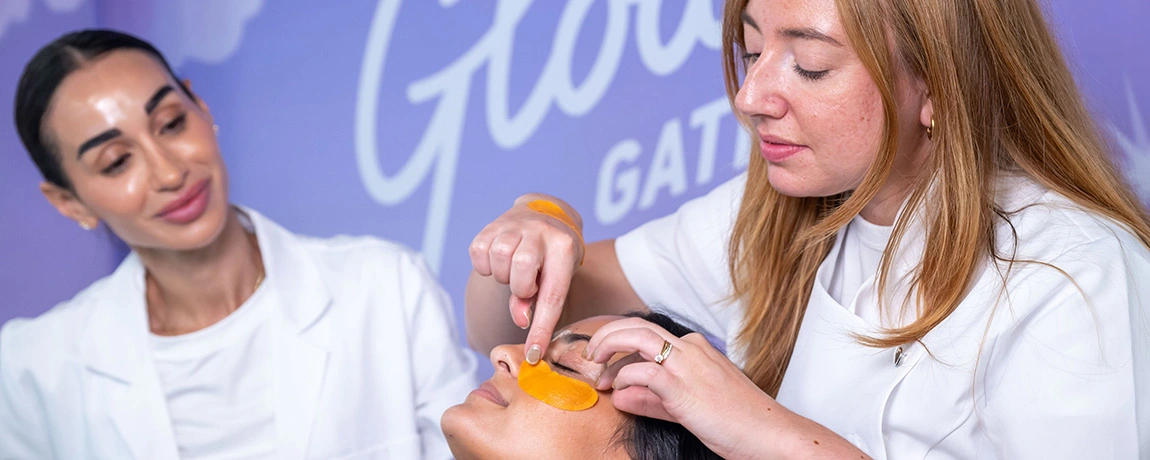
Don’t skip hydration if you have oily skin
Breaking out in the sky or feeling shiny with oily skin? It's tempting to skip hydration, but don't! Drink lots of water in the air, and choose a lightweight hydration product that won’t clog your pores instead.
Dr Nora explains: “You can have oily skin and still be dehydrated, particularly in a low-humidity cabin environment. Choose lightweight hydration rather than skipping moisturiser altogether.”
Keep your in-flight skincare routine simple
It may seem glamourous to recreate a viral skincare routine with serums, cleansers, ice rollers, and LED face masks. But that’s a lot to carry in your hand luggage. If you want a targeted skincare treatment in the sky, focus on a few simple steps with mini beauty products under 100ml instead. Use a facial mist as needed, top up SPF when appropriate and protect particularly dry areas with a lip balm or repair ointment.
Dr Nora says: “You don’t need a complicated skincare routine at 40,000 feet. Focus on maintaining hydration and protecting areas that become dry - save stronger active ingredients, cleansing and exfoliation for another time.”
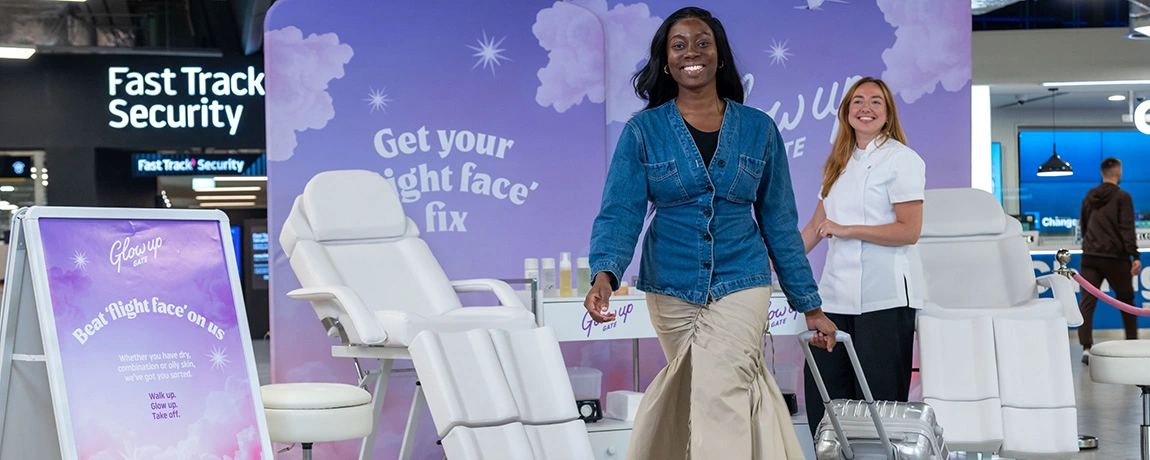
Maintain your SPF throughout the travel day
Sensible skincare starts with applying a layer of SPF every day. However it’s even more important when you’re in the sky. Make SPF50 the final step of your pre-flight routine and top it up when appropriate during daytime travel to combat the extra UV exposure our skin is subject to at high altitudes.
Dr Nora says: “SPF should remain part of your routine on a travel day. Apply SPF50 before boarding and top it up when appropriate, which covers you on board from sunlight coming through the window as well as at your end destination if you’re heading straight into the sun.”
What products should I pack for in flight skincare at London Luton Airport?
Everyone's skin is different, so bring products that are best suited to your skin. But for a travel skincare bag, we'd recommend packing small bottles of travel-size micellar water and hydrating facial mists to refresh your face, a rich nourishing moisturiser to lock in hydration and protect the skin barrier, and a lip balm to avoid chapped lips at altitude. Browse products on Aelia Duty Free before you fly from London Luton Airport and use the click & collect service for exclusive deals.
Can I take skincare products through Security at London Luton Airport?
Yes, you can take skincare products through Security at London Luton Airport. Many skincare products will count as liquids, so bottles will need to be under 100ml. Liquids include:- All drinks, including water
- All Cosmetics and toiletries, including creams, lotions, oils, perfumes, mascara and lipsticks
- All Sprays and aerosols, including shaving foam, hairspray and spray deodorants
- All Pastes, including toothpaste
- All Gels, including hair and shower gel
- Contact lens solution
Check your liquid limits for flying before you travel.
What SPF sunscreen should I use on holiday?
If you're applying sunscreen on holiday, opt for a suncream with at least SPF 30 for outdoor activities. If you're buying sunscreen for a young person, or you've got fair skin and burn easily, pick a product with SPF 50 instead. Reapply your suncream every few hours to make sure you stay protected in the sun.